
Skydiving for Beginners: A Thrilling Adventure Awaits
If you’ve ever stared up at the sky, watching parachutes float down, and felt a mix of awe and excitement, you’re not alone. Skydiving is one of the most exhilarating experiences on Earth, offering a rush like no other. But if you’re a beginner, the idea of jumping out of an airplane can feel a bit intimidating. Don’t worry—this blog will guide you through the essentials and help you prepare for the adventure of a lifetime at Gateway Skydiving Center.
1. What Is Skydiving?
Skydiving is the act of jumping from an aircraft and descending to Earth with the assistance of a parachute. Most people start with a tandem skydive, where you’re harnessed to an experienced instructor who controls the jump. After that, you can progress to solo skydiving, which requires additional training and certification.
2. The Thrill of the Freefall
The most famous part of skydiving is, of course, the freefall. For 45 seconds (depending on the altitude), you’ll plummet towards Earth at speeds of 120 mph or more. This sensation is often described as a mix of weightlessness and an adrenaline rush. Your heart races, your mind buzzes, and you feel like you’re flying.
As terrifying as it sounds, this freefall is what draws many people to skydiving. It’s a feeling that cannot be replicated in any other activity, and once you experience it, you might be hooked for life.
3. What to Expect on Your First Jump
Pre-Jump Briefing
Before you jump, you’ll undergo a thorough briefing. This will include the basic techniques you’ll need to know and safety protocols to follow. It’s essential to pay attention, as your instructor will guide you through the entire process and ensure you’re prepared for the jump.
The Jump Itself
Getting to the Aircraft: You’ll board the plane, which will ascend to an altitude of around 10,000 to 14,000 feet (about 3,000 to 4,200 meters). The higher the altitude, the longer your freefall.
The Jump: When it’s your turn, your instructor will signal you to exit the plane. You’ll experience a brief moment of nervousness, but once you’re out of the plane, it’s all about the freefall.
Parachute Deployment: At around 5,000 feet (1,500 meters), your instructor will deploy the parachute. You’ll immediately feel the jolt as the parachute opens, slowing your descent.
The Glide: After the parachute opens, you’ll glide peacefully towards the ground. This is your chance to take in the incredible views—whether it’s a coastline, mountains, or the countryside below you.
Landing
Landing can feel a bit like a soft bump. Your instructor will guide you on how to raise your legs to ensure a safe and gentle touch down.
4. Safety: Skydiving is Safer Than You Think
One of the biggest misconceptions about skydiving is that it’s dangerous. In reality, skydiving is safer than many other recreational activities like driving or skiing. The USPA (United States Parachute Association) reports that the skydiving fatality rate has decreased dramatically over the years, with about 1 in every 220,000 jumps resulting in a fatality.
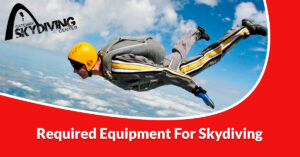
5. Skydiving Gear: What You Need to Know
While you don’t need to purchase your own equipment as a beginner (it’s typically provided by the skydiving center), it’s still helpful to know the basics of the gear you’ll be using:
Parachute System: Consists of the main parachute and a reserve chute, which is deployed in case the main chute doesn’t open correctly.
Altimeter: A small device worn on your wrist or attached to your harness that helps you monitor altitude and know when to deploy your parachute.
Harness: The harness attaches you to your instructor in a tandem jump or to your parachute if you’re jumping solo.
Helmet and Goggles: These protect your head and eyes during freefall.
6. How to Prepare for Your First Jump
1.
: While you don’t need to be an Olympic athlete, being in good physical condition helps. Skydiving can put stress on your body, especially during the freefall, so it’s a good idea to be generally healthy.
2.
Dress Comfortably
: Wear comfortable clothing. Athletic wear is usually best—think fitted pants, a t-shirt, and sneakers. You’ll also be given a jumpsuit to wear over your clothes for protection.
3.
Listen to Your Instructor
: Your instructor is there to guide you. Follow their instructions carefully during every phase of the jump—from the briefing to landing.
4.
Relax
: It’s natural to feel nervous, but try to relax and embrace the excitement. Your instructor will be with you the entire time, so you’re in safe hands.
7. Skydiving Costs: What You Can Expect
The cost of skydiving can vary depending on the location and whether you’re doing a tandem jump or solo dive. On average, tandem skydives cost between $250 and $300. Solo jumps, which require training, can cost anywhere from $1,500 to $3,000 for the training courses, plus additional fees for each jump.
Many skydiving centers offer packages, discounts for group bookings, and video options so you can capture the moment. Speaking of which…
8. Capture the Moment: Skydiving Video Packages
Gateway Skydiving Center offers video packages to film your experience. You get your video package 15 min after your skydive via email. The footage can be a great way to relive the thrill of your jump and share the moment with friends and family. There’s nothing quite like watching yourself freefall from 10,500 feet!
9. The Skydiving Community: A Welcoming Vibe
Skydiving is a sport that brings people together. After your jump, you’ll find that many skydivers are incredibly friendly and supportive. The skydiving community is full of people who share a passion for adventure, and you may even find yourself joining local clubs or attending skydiving events in the future.
10. Should You Do It?
If you’re wondering if skydiving is worth it, the answer is almost certainly yes—if you’re ready to push your limits and experience something extraordinary. The feeling of jumping out of an airplane, the thrill of the freefall, and the peaceful descent to Earth is a once-in-a-lifetime experience. And who knows? It may just ignite a lifelong passion for adventure.
Final Thoughts
Skydiving is a unique and awe-inspiring experience that’s accessible to beginners with the right preparation and mindset. With safety as a priority, clear instructions, and a bit of courage, you’ll be on your way to an unforgettable adventure. So, are you ready to take the leap?
Have you ever thought about skydiving, or is it something you’ve already crossed off your bucket list?